In this article I look at Reweti Kohere’s comparison of Māori vs Pākehā tikanga, and also critique some more recent cultural and political discourse.
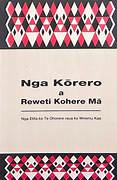
Reweti Kohere (Ngāti Porou, 1871–1954) was an editor of the Māori-language newspaper Te Pīpīwharauroa. He was a wonderful writer in te reo Māori, and I was introduced to him through the 2024 republication of Ngā Kōrero a Reweti Kohere mā, edited by Wiremu, and Te Ohorere Kaa. Kohere wrote about many cultural, historical, and contemporary issues of his time. One of the things I found particularly interesting was his description of Māori culture in comparison with Pākehā.
In his article “Ngā tikanga pai a te iwi Māori,” “The good ethics or virtues of the Māori people” written entirely in te reo Māori, he lists ten positive attributes of Māori culture he thinks are superior to those of Pākehā. Kohere writes that in these areas Māori are “pai atu” (better) or “rangatira atu” (more noble) than Pākehā. He also mentions that some Pākehā themselves acknowledged that Māori could be admired for these qualities.
The ten attributes he lists, with brief translations, are:
- Ko te aroha – matters of love and compassion
- Mō te kai iti – the sharing of food
- Te pono, te tawhiti – generosity and sincerity
- He aroha ki te tamariki – the love shown to children
- He whanaunga katoa te Māori – the centrality of whakapapa and kinship
- Kei runga ake te tangata i te Māori – the importance placed on people by Māori
- Nō te iwi, nō te hapū te tūpāpaku – the collective nature of tangihanga and mourning
- Ngā mahi ohu – working collaboratively
- He hakari aroha – the role of feasting and hospitality
- Te ngahau – the importance of joy and celebration
Kohere expands on all of these in te reo Māori. They are excellent examples of the deeply interwoven collectivism in the Māori world of Kohere’s time. I believe it is this deep collectivism around these Māori ways of life that both Māori and non-Māori admire so much.
Many people, including myself, feel that this collectivist strength has been weakened through our subjection to capitalism—our economic system and its psychological features, such as hyper-individualism and the atomisation of community. These pressures have affected both the Māori and Pākehā worlds.
I agree with Reweti Kohere’s assessment, and probably many readers would too. In my cursory understanding, during Kohere’s lifetime, some of the most egregious assaults on Te Reo Māori and tikanga Māori were taking place: elders beaten for speaking Māori, the forced urban drift due to government policy, and other disruptions to Māori society. This article was not the only time Kohere wrote in this way. It is powerful to see such strong pro-Māori affirmation during a time of persecution.
You will also notice that Kohere’s comments are mostly internal in application to the Māori world. What follows are some more recent expressions of pro-Māoritanga that are mostly in relation to the outside world that I wanted to critique.
“Māori are number one”
I have heard this phrase used by Te Pāti Māori. People should absolutely be proud to be Māori and proud of their culture. But walking around believing you are number one is rarely helpful. Any person who truly believes that about themselves probably will not get very far.
“We are sovereign”
This kind of language at political rallies can make people feel better, especially when colonisation and living in a Pākehā-dominated world can be difficult. But political sovereignty, in my view, operates at the level of states and political structures, not individuals. Otherwise we would all be governments unto ourselves.
I think this idea connects to the understandable sense of powerlessness people can feel, so the notion of personal sovereignty can be appealing. My concern is that the current government and institutions—such as the police—do not operate according to that belief. Saying you are sovereign does not change the reality of how state power functions.
With the rise of entitlement and individualism on social media, we also see terms like “unapologetic” and “unforgiving” used frequently in relation to being Māori. These for some seem to have taken place of what we grew up with “Kia whakaiti” be humble and “Kia manawanui” be tolerant, both i find beautiful in any person. There are certainly times when people should be both unapologetic and unforgiving. But there are also many moments in life where humility, apology, and forgiveness are necessary virtues.
Some people also speak about being atua which from my understanding, is recent. To me it fits with other self help guru’s online that promote similar forms of grandiosity, the tohunga and elders I met when we were younger were so strong and powerful but always were humble. Some people talk about tapu as if it can’t be understood or defined by anyone. From my knowledge, there are beautiful and unique forms of tapu in the Māori world, but I suppose my point is that any person on earth has some form of sacredness all should be honoured.
Māori are tāngata whenua, and are special in that sense. It can be terrible to understand the multifaceted and holistic way colinisation effects us, but we have so much tradition in the Māori world that guides us towards tolerance, beauty, strength and love. This has been my experience and what I value in life.
I love Reweti Kohere’s writing, especially for his time. Many were violent and turned away from Māoritanga in his time; Reweti and others stayed strong.
He kōkō tangi kōrero i aurara i te pene ki te whakaari I te rite o ngā whakaaro onāianei, i te au moana anō o te reo I tai pakoa, kua mānunu ano te tai e kare mā, e aku rangatira pai mārire
Like the tui bird he sang and used his pen to prophesize to us all our thoughts of the now, the floating of the tide that had gone out, that tide now is full again, my friends, and leaders, good peace