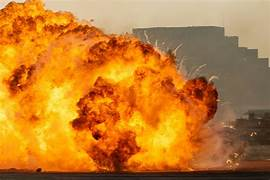
In late February 2026, a coordinated military offensive by the United States and Israel against the Islamic Republic of Iran marked a dramatic escalation in global conflict. The joint strikes — involving extensive air attacks on Iranian cities, military infrastructure, leadership facilities, and reported civilian sites — have resulted in hundreds of deaths and injuries, including children. Iranian authorities report the bombing of a school with scores of girls killed, and Iranian state media has confirmed the death of Supreme Leader Ayatollah Ali Khamenei. Iran has retaliated with missile and drone attacks on U.S. bases and Israeli targets, propelling the situation into a broader regional crisis. World leaders, including at the United Nations, are warning of wider conflict and calling for diplomatic de-escalation.
This military intervention has been justified by Washington and Jerusalem as a “pre-emptive” defence against alleged threats from Iran’s nuclear and missile programmes. However, the legality and legitimacy of these strikes under international law are deeply contested. The U.N. Secretary-General has condemned the attacks as violations of international legal norms and warned of dire consequences if diplomacy is overshadowed by force.
For communities worldwide, particularly those with a deep commitment to peace, justice, and indigenous values like Aotearoa New Zealand, this moment calls for critical reflection grounded in social justice and tikanga Māori — a worldview that honours mana tangata (the dignity of all people), mana whenua (respect for sovereign lands), and whanaungatanga (our ethical responsibility to all communities).
The Question of Illegality and Resource Sovereignty
From a rights-based international perspective, unilateral or coalitional military intervention on the territory of another sovereign state without explicit U.N. Security Council authorisation is generally regarded as unlawful. The U.N. Charter prioritises peaceful settlement of disputes and prohibits the use of force except in legitimate self-defence or with U.N. sanction. Many legal scholars argue that pre-emptive strikes — especially those that cause significant civilian harm — lack clear legal basis and set dangerous precedents that weaken international law. The U.N. Security Council’s emergency session highlighted these concerns.
There is also a broader ethical issue related to global power dynamics and the history of resource extraction and intervention. Powerful nations have repeatedly justified intervention abroad in the name of security while controlling global access to strategic resources like oil, gas, and rare minerals. Such patterns mirror historical colonisation — where indigenous lands and resources were seized under claims of “civilising missions” or security threats. From the lens of tikanga, this pattern breaches mana whakahaere (the right of a people to determine their own path) and raises questions about whose interests are served in such conflicts.
Impacts on Aotearoa / New Zealand
For Aotearoa, the crisis has both practical and ethical implications:
1. New Zealand Government Position:The New Zealand Government has issued statements expressing concern about global stability and civilian safety, acknowledging the U.S.–Israel actions as aimed at security, while calling for negotiation and adherence to international law. It has condemned retaliatory attacks by Iran on other states and emphasised the protection of civilian lives.
2. Māori Worldview and Ethical Foreign Policy:From a tikanga perspective, New Zealand’s response should be measured against values such as aroha ki te tangata (compassion for all people), pono (truth), and tika (justice). These principles would urge a foreign policy that prioritises peacebuilding, addresses the root causes of conflict, and respects the sovereignty of all nations — irrespective of their political systems.
3. Civil Society and Grassroots Movements:New Zealand civil society, including Māori and Pacific communities, are likely to engage in advocacy for peaceful resolution and for higher standards of accountability under international law. Political and activist voices have previously urged the government to resist aligning too closely with military alliances that undermine independent foreign policy and risk complicity in unlawful actions.
4. Economic and Security Repercussions:Cape-to-Cape global conflicts can disrupt international trade, energy markets, and diplomatic networks. Aotearoa’s economy — highly integrated with global supply chains — may feel indirect effects through increased fuel costs, insurance premiums for shipping, and financial market volatility. Additionally, New Zealanders living or travelling abroad may face heightened travel advisories and instability in affected regions.
A Call for Conscious Global Responsibility
At this pivotal moment, the world does not just watch a distant conflict — it experiences the consequences of decisions made by powerful nations. Aotearoa can contribute to a more just and peaceful world by upholding international law, honouring tikanga values in foreign policy, and advocating for democratic, diplomatic solutions over militarised interventions.
In the face of war, true leadership — rooted in compassion, wisdom, and respect for sovereignty — demands we ask not just whose interests are protected, but whose voices are heard and whose lives are valued.